QuEChERS (quick, easy, cheap, effective, rugged, and safe) sample preparation methods have been developed to help monitor pesticides in a range of food samples. These methods require many manual steps, such as shaking, centrifugation, and dispersive SPE, making it a quite labor-intensive process. There is a need for automating the dispersive SPE technique to clean up QuEChERS type extracts in order to improve laboratory productivity for monitoring pesticide residue in foods
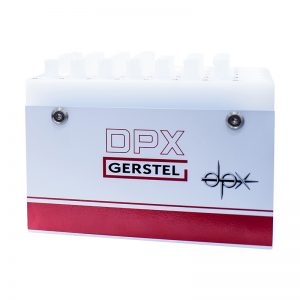
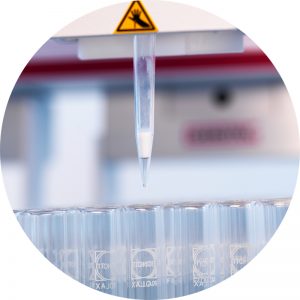
In this report, we describe an automated sample preparation and analysis workflow for the screening of pesticides residues in different food matrices (fruits, vegetables and spices) by LC/MS/MS. The automated cleanup of the QuEChERS extracts methodology was performed using disposable pipette extraction (DPX). Analytical methodology for confirming the presence of a variety of pesticides in various food samples was developed using a GERSTEL MultiPurpose Sampler (MPS), a combined autosampler and liquid handling robot, interfaced to an AB SCIEX QTRAP® 4500 LC/MS/MS System. Two transitions per parent compound were monitored using a single Scheduled MRM™ method. The sensitivity and selectivity of the LC/MS/MS system enabled us to reach detection limits, which meet acceptance criteria for reporting maximum residue levels (MRLs) as established by regulatory agencies.
The ability to automate the dispersive SPE cleanup of QuEChERS extracts and combine it with direct introduction of the cleaned extract to the LC/MS/MS results in improved laboratory productivity by streamlining the complete analytical process.