
Several studies in the pharmaceutic industry validated the extremly valuable application of TD-NMR relaxometry in body composition analysis of mice and rats [1]. Instead of harmful treatment as in chemical analysis or in DEXA, the animal is brought only into magnetic fields comparable to well known clinical MRI, the analysis takes place in a few minutes thus minimizing the effort and stress the animals are subjected to. The animals are awake, unavoidable movements are small as the methodology is optimized and quite forgiving in this respect. The relaxometric TD-NMR method introduced in 2001 has quickly gained market acceptance as a powerful non-destructive and non-invasive tool for characterizing, screening and phenotyping animal models with respect to body composition.

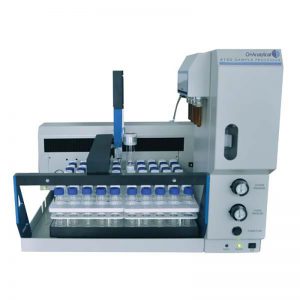
4100 Water/Soil Sample Processor
Improve sample processing reliability and analytical performance with the Model 4100 Water/Soil Sample Processor. This automated instrument is efficiently built to process up to 100 drinking water, wastewater, or soil samples.
Say goodbye to handling and processing samples for purge-and-trap analysis of volatile organic compounds (VOCs). The 4100 Sample Processor is designed to operate with (single or dual) Eclipse 4760 purge-and-trap sample concentrators.
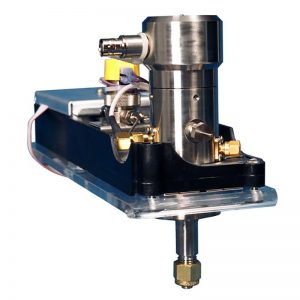
4430 Photoionization PID
The Model 4430 Photoionization Detector (PID) is a uniquely-designed gas chromatograph (GC) that selectively responds to aromatic and olefinic hydrocarbons in the presence of alkanes and other saturated hydrocarbons.
Our Model 4430 PID’s unique patented Window Sweep™ design prevents the sample stream from contacting and contaminating the lamp window.
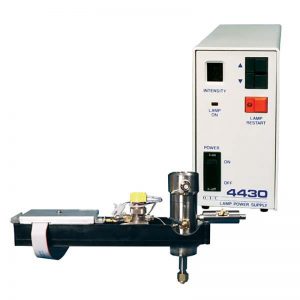
4450 Tandem PID/FID
Experience the convenience and flexibility of the Model 4450 Tandem Photoionization Detector/Flame Ionization Detector (PID/FID): a patented combination gas chromatography (GC) detector incorporating the Model 4430 PID and Model 4410 FlD.
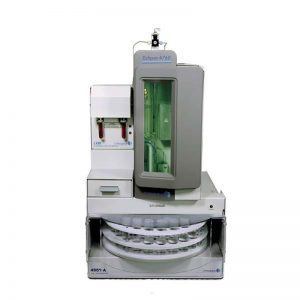
4551A Purge-and-Trap Water Autosampler
Improve sample accuracy and save lab counter space with the Model 4551A Water Autosampler. Designed to work with our 4760 Eclipse Purge-and-Trap Autosampler, the 4551A automates VOC analysis for up to 51 clean or lightly particulated water samples.
The extremely compact 4551A Water Autosampler fits strategically under the 4760 Eclipse to save bench space. The instrument precisely transfers water samples from standard 40-mL volatile organic analysis (VOA) vials to the sparge vessel of the 4760 Eclipse for purging.
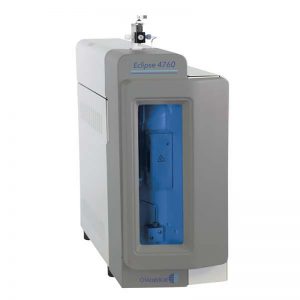
4760 Eclipse Purge-and-Trap Sample Concentrator
The 4760 Eclipse Purge-and-Trap Sample Concentrator uses a slim-line design and intuitive user interface to analyze volatile organic compounds (VOCs) quicker and more efficiently. Use to effectively monitor drinking water, wastewater, groundwater, storm water and more!
The Model 4760 combines our 30+ years of VOC experience in one highly-productive instrument. Users can expect faster cycle times, higher sample throughput, and exceptional reliability.
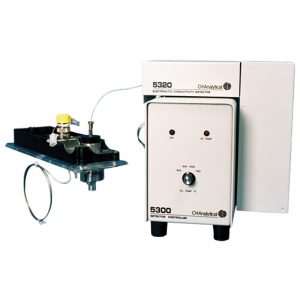
5320 Electrolytic Conductivity Detector (ELCD)
The Model 5320 Electrolytic Conductivity Detector (ELCD) excels in select detection of halogen-containing compounds, while also proving its flexibility by offering sulfur and nitrogen detection.
The Model 5320 is our third-generation ELCD. It combines three key components: a reactor assembly, cell-solvent assembly, and detector controller.
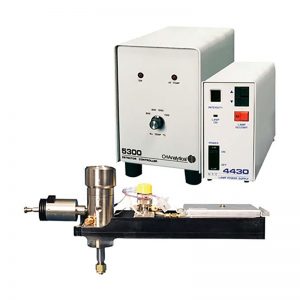
5350 Tandem PID/ELCD
Increase efficiency and save counter space with the Model 5350 Tandem Photoionization Detector/Electrolytic Conductivity Detector (PID/ELCD), a smartly designed instrument for dual detection of aromatic and halogen compounds.
The Model 5350 Tandem PID/ELCD packs in the power of two great detectors: Model 4430 PID and Model 5320 ELCD, removing the need for separate analyses of aromatic and halogen compounds.
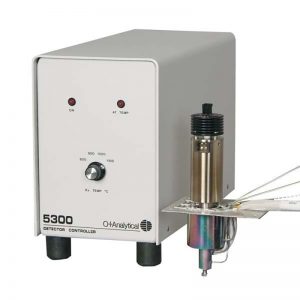
5360 XSDTM (Halogen Specific Detector)
The Model 5360 XSD™ offers superior selectivity for detection of halogen-containing compounds.
Installed in the standard port of a gas chromatograph (GC), the Model 5360 XSD™ detects halogen-containing compounds eluting from the GC’s capillary column. This instrument is unique in the fact that it doesn’t contain radioactive sources or use organic solvents like other halogen selective detectors. This eliminates the need for catalyst tubes, solvents, resin cartridges, pumps, and transfer lines.
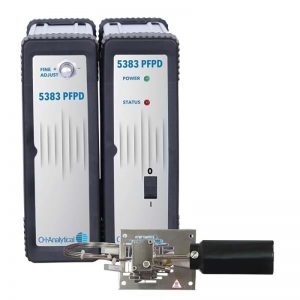
5383 Pulsed Flame Photometric Detector (PFPD)
The Model 5383 Pulsed Flame Photometric Detector (PFPD) uses superior sensitivity and increased selectivity to easily and accurately analyze sulfur, phosphorus, and 26 other elements.
The superior sensitivity of the 5383 PFPD makes it the instrument of choice for the analysis of sulfur, phosphorus, and other elements. Its linear, equimolar response to sulfur allows selective measurement of individual sulfur species from low ppb to ppm levels, and total sulfur as the sum of individual peaks. The unique capability to obtain simultaneous sulfur and hydrocarbon chromatograms from a single PFPD detector sets it apart from other sulfur detection technologies.
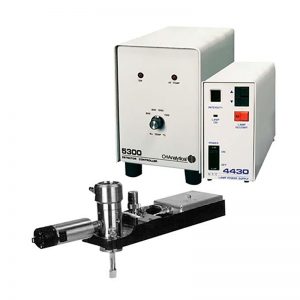
5390 Tandem PID/XSD
Work smarter with the Model 5390 Tandem PID/XSD, which combines the power of the 4430 Photoionization Detector (PID) and the 5360 Halogen Specific Detector (XSD) to simultaneously detect halogen and aromatic compounds.
This patented tandem detector offers the production of two gas chromatograph (GC) detectors, the 4430 PID and 5360 XSD, in one efficient package. Its unique design eliminates transfer lines and uses only one detector port.
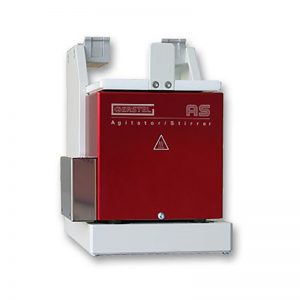
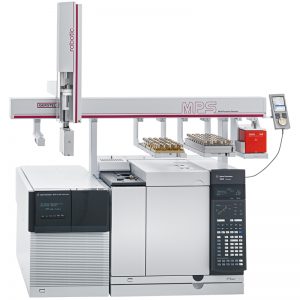
Agitator/Stirrer
The Agitator/Stirrer for the GERSTEL MultiPurpose Sampler (MPS) can either operate in agitation or stirring mode using conventional magnetic stir bars. Stirring helps efficiently mixing heterogeneous or viscous samples, accelerates equilibration for headspace sampling and extends the lifetime of SPME fibers.
Agitator/Stirrer
The Agitator/Stirrer for the GERSTEL MultiPurpose Sampler (MPS) can either operate in agitation or stirring mode using conventional magnetic stir bars. Stirring helps efficiently mixing heterogeneous or viscous samples, accelerates equilibration for headspace sampling and extends the lifetime of SPME fibers.
ASTRA
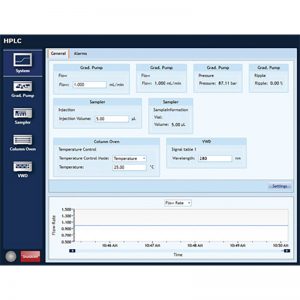
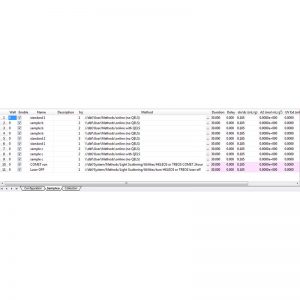
Turn your data into results with the ultimate in light scattering software—ASTRA.
The most powerful and versatile software available for the characterization of macromolecules and nanoparticles via multi-angle and dynamic light scattering.
- Maximize your productivity via ASTRA’s One-Click MW™ feature, automated multi-sequence processing and HPLC integration.
- Take advantage of its integrated control of Agilent systems, or its support for Waters Empower sequences.
- ASTRA offers a suite of basic and advanced analyses, including customized reports and an optional 21CFR(11)-compliant security and database package.
- It greatly simplifies MALS and DLS analysis, so you can quickly and accurately assess molar mass, size, conformation, conjugation and other essential physical parameters.
- With each analysis, ASTRA provides the quantitative experimental uncertainties that transform mere numbers—into science.
Automated Liner EXchange (ALEX)
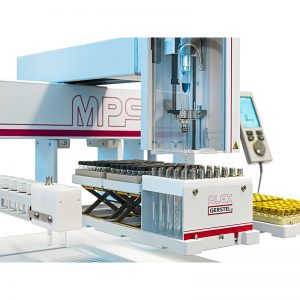
Improved routine analysis of samples with high levels of involatile compounds, particulates and other solid matrix material
Matrix residue from samples can contaminate a GC inlet liner afterwithin a few runs, leading to peak broadening and loss of analytes through adsorption in the liner. Under such conditions, the analyst is forced to perform frequent liner replacement, an operation which normally requires manual intervention. Running large series of samples will represent a serious challenge.
Automated SIFT-MS
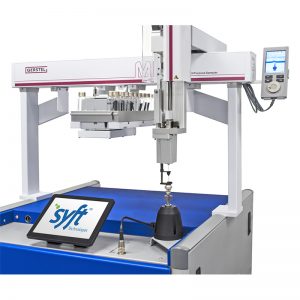
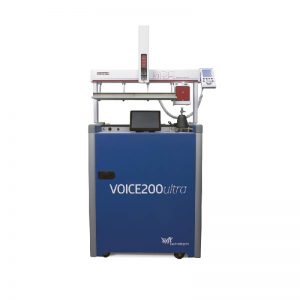
Automated SIFT-MS is the result of the collaboration between GERSTEL and Syft Technologies to provide automated platforms for SIFT-MS solutions in routine and R&D laboratories.
Autosampler integration is the simplest and most cost-effective way to fully realize the high sample throughput potential offered by SIFT-MS based on rapid, direct gas analysis. In addition, an autosampler improves repeatability and reproducibility compared to manual operation while reducing the risk of operator error.
Automated Solid Phase Extraction (SPE)
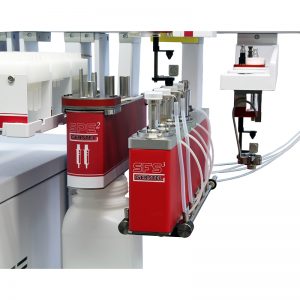
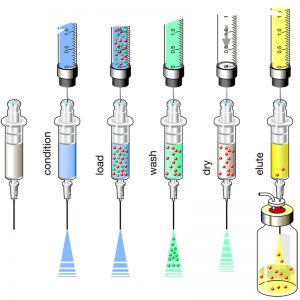
Performing Solid Phase Extraction (SPE) manually can be time consuming and nerve-racking, especially when recovery and reproducibility are lacking due to sample variability. If SPE can be reliably automated, it becomes a much more efficient and reproducible process.
Automated Solid Phase Extraction (SPE)
Performing Solid Phase Extraction (SPE) manually can be time consuming and nerve-racking, especially when recovery and reproducibility are lacking due to sample variability. If SPE can be reliably automated, it becomes a much more efficient and reproducible process.
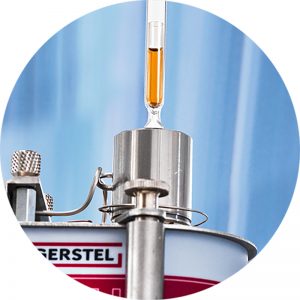
Automated TDU-Liner EXchange (ATEX)
Direct Thermal Extraction in disposable micro-vial inserts.
The ATEX option enables the introduction of liquid samples directly into micro-vial inserts used for thermal Desorption / Thermal Extraction in the TDU. Extracted analytes are refocused and concentrated in a Cooled Injection System (CIS) inlet prior to introduction to the GC/MS system.
Barcode Reader
GERSTEL Sample ID (SID)
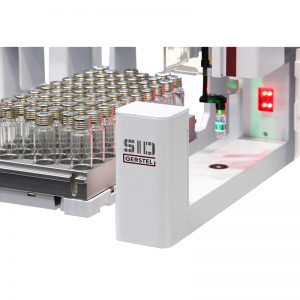
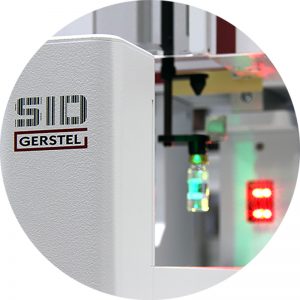
The Sample ID (SID) 1D/2D Barcode reader for the GERTEL MultiPurpose Sampler (MPS) uses a dual camera setup and image analysis for positive identification of samples. SID can be connected to a PC or via LAN using USB connectivity.
Fully implemented into the MAESTRO software, SID enables independent sample logging or fully integrated sample ID transfer to the data file with multiple user-defined options for sample verification and the handling of deviations.
Barcode Reader
GERSTEL Sample ID (SID)
The Sample ID (SID) 1D/2D Barcode reader for the GERTEL MultiPurpose Sampler (MPS) uses a dual camera setup and image analysis for positive identification of samples. SID can be connected to a PC or via LAN using USB connectivity.
Fully implemented into the MAESTRO software, SID enables independent sample logging or fully integrated sample ID transfer to the data file with multiple user-defined options for sample verification and the handling of deviations.
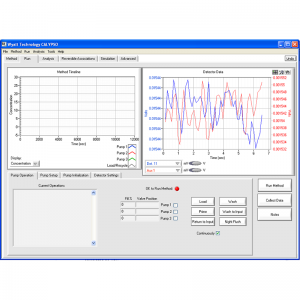
CALYPSO
Comprehensive Interaction Analysis.
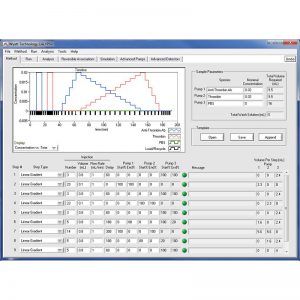
CALYPSO software is a versatile, unique tool for characterizing a wide range of molecular interactions quickly and reliably using composition-gradient, multi-angle static light scattering (CG-MALS). The CALYPSO software integrates smart method design, simple hardware manipulation, and robust data acquisition for a smooth experimental run.
Once the measurement is complete, the intuitive graphical user interface steps the user through data processing for rapid but powerful analysis of macromolecular interactions. Learn how you can explore the interactions between your macromolecules.
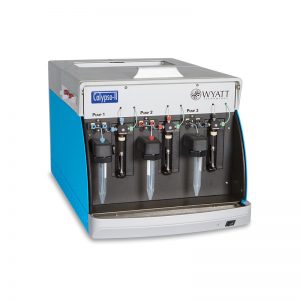
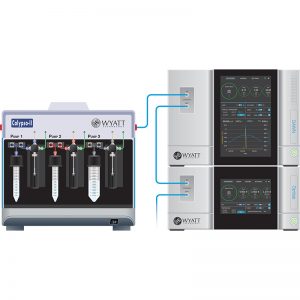
Calypso II CG-MALS
Label-free, immobilization-free characterization of protein-protein and other macromolecular interactions with composition-gradient multi-angle light scattering.
The Calypso® II, in conjunction with a DAWN® or miniDAWN® MALS detector, measures binding affinities and absolute, molecular stoichiometries of complex biomolecular interactions.
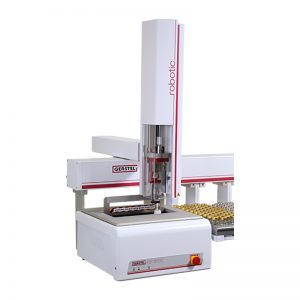
Centrifuge GERSTEL CF200
The GERSTEL CF200 is a powerful centrifuge for the GERSTEL MultiPurpose Sampler (MPS Robotic). The CF200 performs centrifugation of up to 6 samples at up to 4500 rpm/2000g. Centrifugation power can be specified in rpm or in g foce using the GERSTEL MAESTRO Software.
Centrifuge GERSTEL CF200
The GERSTEL CF200 is a powerful centrifuge for the GERSTEL MultiPurpose Sampler (MPS Robotic). The CF200 performs centrifugation of up to 6 samples at up to 4500 rpm/2000g. Centrifugation power can be specified in rpm or in g foce using the GERSTEL MAESTRO Software.
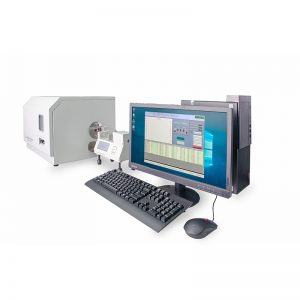
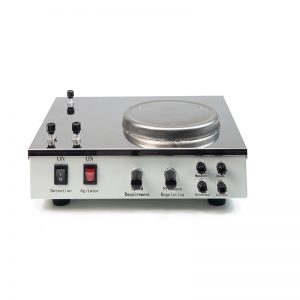
CLS3000 Coulometric Chlorine Analyzer
Achieve More & Measure with Confidence!
The ELEMEN+ CLS3000 system uses micro-coulometry technology and combined with its advanced software to control micro-coulometric titration. It allows measurement of chlorine content in solid, liquid and gaseous samples down to low ppm level.
The ELEMEN+ CLS3000 feature reliability, robustness and stability in one compact footprint. It is widely used to analyse liquid and solid samples such as fuels, oils, minerals, used solvents, edible oils, waste water, chlorinated PVC, plastics, etc.
Cooled Agitator
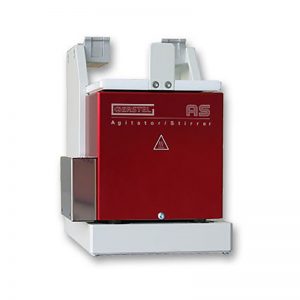
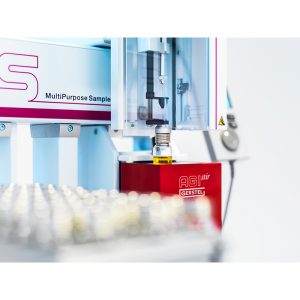
The GERSTEL Cooled Agitator is a modified version of the standard 6 position agitator used with the MultiPurpose Autosampler. It incorporates a Peltier based cryostat that allows samples can be cooled down to 10C and is also useful when stable ambient temperature are required.
Cooled Agitator
The GERSTEL Cooled Agitator is a modified version of the standard 6 position agitator used with the MultiPurpose Autosampler. It incorporates a Peltier based cryostat that allows samples can be cooled down to 10C and is also useful when stable ambient temperature are required.
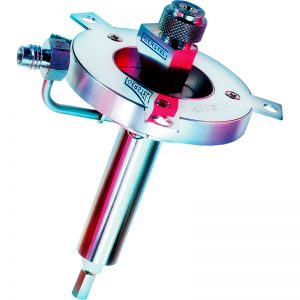
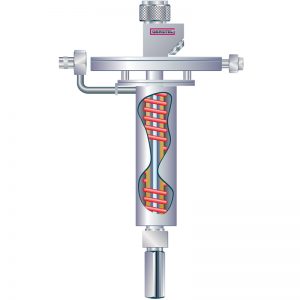
Cooled Injection System (CIS)
GERSTEL Cooled Injection System – internationally the most frequently used PTV-type universal inlet, with patented septumless sampling head. Gas chromatographic analysis is now more versatile, reproducible and has lower detection limits than ever before, thanks to temperature programmed sample injection using GERSTEL Cooled Injection System.
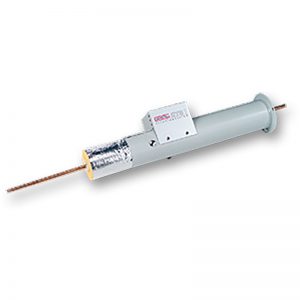
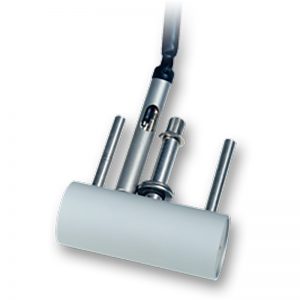
Cryogenic Trapping System (CTS)
Cryofocusing for enhanced separation performance
The GERSTEL CTS is used for cryogenic trapping and concentration of analytes. The CTS enables improved separation and lower detection limits. Following the concentration step, analytes are introduced to the GC column using a highly accurate temperature program. The CTS can be used in a single-column GC system placed at the head of the column or between the pre-column and the analytical column in a multidimensional system in order to refocus analytes prior to analytical separation.
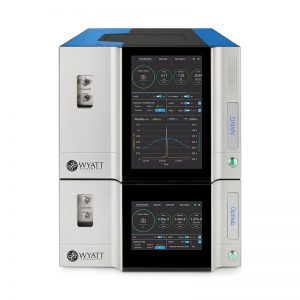
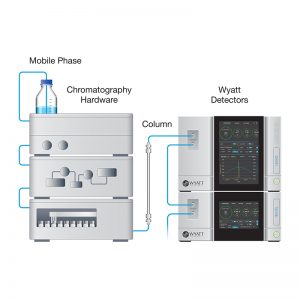
DAWN®
The world’s most advanced light scattering instrument for absolute characterization of proteins, conjugates, macromolecules, and nanoparticles.
The DAWN and its companion Optilab dRI detector are the established benchmarks for MALS analysis, cited in thousands of peer-reviewed publications. Multi-angle light scattering detection is indispensable for use with GPC and HPLC-SEC in order to obtain reliable molecular mass distributions and information on molecular conformation, branching ratio, fragments and aggregates.
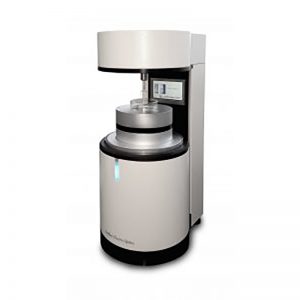
DCA-200 Series Analyzer
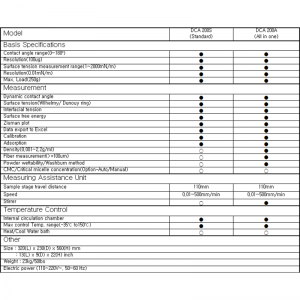
The SEO DCA series analyzer offer a powerful. And versatile approach to comprehensive understanding of the complex interaction at liquid-liquid and liquid-solid surfaces. Whether you need to improve adhesion, apply a coating, or modify a surface, a SEO DCA system provides the solution for:
- Dynamic Contact Angle of general solid materials
- Dynamic Contact Angle of a powder using Washburn Method
- Surface / Interfacial Tension
- Surface energies, wettability, cleanliness and topographical homogeneity of solid sheets, films and fibers
- Dry material adsorption, wicking rate
- Surfactants analysis with the automatic / manual Critical Micelle Concentration ( CMC) software
Disposable Pipette Extraction (DPX)
Extraction in Seconds
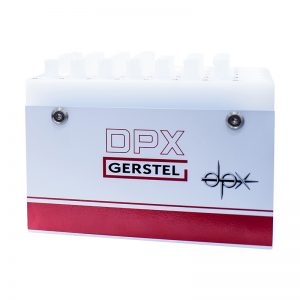
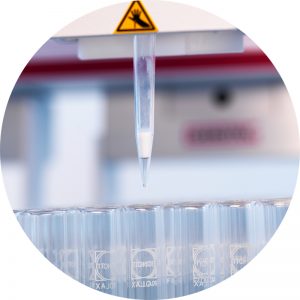
DPX is a fast and efficient SPE technique used for a wide rnge of applications such as drugs of abuse, therapeutic drug monitoring, comprehensive screening, pharmacology studies (NNK), as well as pesticides in fruit and vegetables. DPX is based on unique and patented SPE devices: Pipette tips that incorporate loosely contained sorbent material, which is mixed with the sample solution. Turbulent air bubble mixing creates a suspension of sorbent in the sample ensuring optimal contact and highly efficient extraction. The extraction is performed much faster than with traditional SPE techniques.
Disposable Pipette Extraction (DPX)
Extraction in Seconds
DPX is a fast and efficient SPE technique used for a wide rnge of applications such as drugs of abuse, therapeutic drug monitoring, comprehensive screening, pharmacology studies (NNK), as well as pesticides in fruit and vegetables. DPX is based on unique and patented SPE devices: Pipette tips that incorporate loosely contained sorbent material, which is mixed with the sample solution. Turbulent air bubble mixing creates a suspension of sorbent in the sample ensuring optimal contact and highly efficient extraction. The extraction is performed much faster than with traditional SPE techniques.
DST Series Surface Tension Analyzer
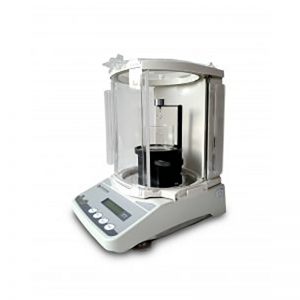
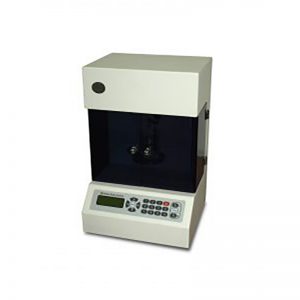
The information of surface or the interfacial tension is critically important in applications such as detergency and emulsification and is also important for many biological processes. Especially, the Du NÕuy Ring method and the Wihelmy Plate method are commonly used for measuring surface / interfacial tensions.
The DST A series are precise tension meters (with Digital LCD display) for the measurement of surface (Liquid – Vapour) & interfacial tensions (Liquid – Liquid) using both the Du NÕuy ring and the Wihelmy plate.
Dynamic Headspace (DHS)
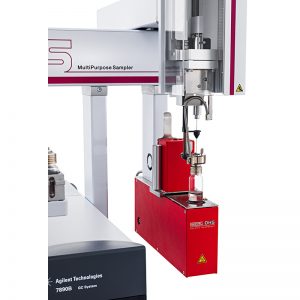
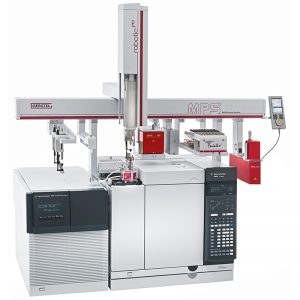
Automated Dynamic Headspace (DHS) is available for the GERSTEL MultiPurpose Sampler (MPS). The DHS station efficiently extracts and concentrates VOCs from liquid or solid sample placed in standard Headspace vials (DHS) or in larger sample containers up to 1 L volume (DHSLarge). The sample is thermostated and agitated while the headspace is purged with a controlled flow of inert gas, providing controlled and efficient extraction conditions. Sample temperatures can be selected from 10oC to 200oC. Lowering the temperature provides a means of reducing the amount of water vapor released and ultimately retrapped. The DHS station additionally holds a replaceable adsorbent- or sorbent filled tube used for analyte concentration. The temperature of the adsorbent tube during the DHS process can be varied from 20oC to 70oC for optimal trapping of the analytes in question.
Dynamic Headspace Large (DHSLarge)
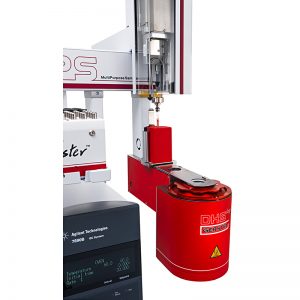
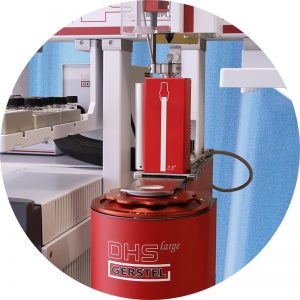
The DHS can be extended with the DHSLarge module to perform analysis of large or inhomogeneous bulk samples. For example, consumer products, packaging or flooring material can be placed directly in sample containers up to 1L in volume. Sample holders are available for flooring material, eliminating interfering emissions from the edges of the cut sample. Purge periods can be introduced to simulate air exchange conditions in environmental chambers. A series of analyses can be performed on a sample to determine emission behavior over time. DHS operation or DHSLarge operation is selected by mouse-click.
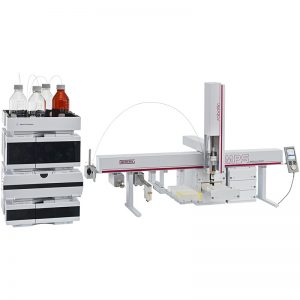
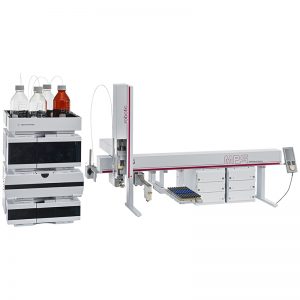
Dynamic Load & Wash (DLW) – LC/MS Tool
Near Zero Carryover – Fast Cycles and Exceptional Reproducibility
Mass Spectrometers are continuously being improved and have become so sensitive that carryover is constantly an issue. To meet today’s requirements for fast, clean and reproducible LC/MS injection; GERSTEL is now offering the LC/MS-Tool for the GERSTEL MultiPurpose Sampler MPS robotic.
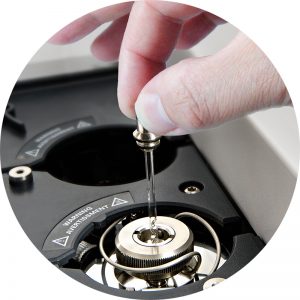
easy Liner EXchange (eLEX)
GERSTEL eLEX: Fast and easy manual GC inlet liner exchange.
When analyzing samples with high levels of involatile or insoluble matrix residue, GC inlet liners can become contaminated a after just a few runs. Matrix build-up can lead to peak broadening and loss of analytes through adsorption in the liner. Under such conditions, in order to get correct analysis results, the analyst must regularly perform a liner exchange, an operation which normally requires several manual steps. Using eLEX this complex task becomes quite simple: An ALEX sampling head is mounted on top of the Cooled Injection System (CIS) inlet and whenever the liner has to be exchanged the pneumatic lock is released.
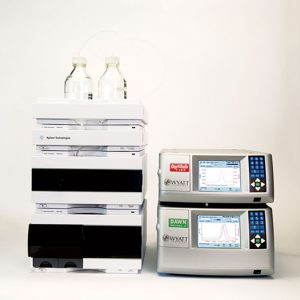
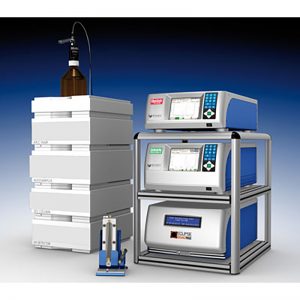
Eclipse AF4
Versatile separations of polymers, proteins, colloids, and nanoparticles.
The Eclipse™ AF4 supports all AF4 techniques except Hollow-Fiber Flow Field-Flow Fractionation (HF5), which is covered by the Eclipse DualTec. However, the Eclipse AF4 supports the fritless AF4 channel which prevents the difficulties encountered by certain samples prone to aggregation at the relatively high concentrations typical of the AF4 focusing step. It also supports the semi-preparative channel.
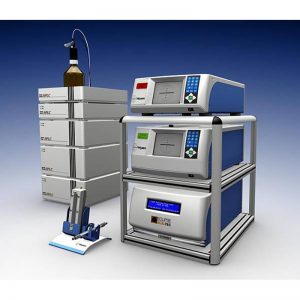
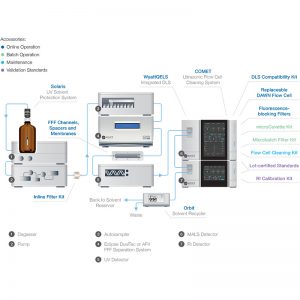
Eclipse DualTec
The ultimate separation system for proteins, polymers and nanoparticles.
Flow Field-Flow Fractionation is a uniquely versatile means of size-based separations, capable of fractionating and characterizing proteins and aggregates, liposomes, emulsions, viral particles, polysaccharides, nanoparticles, polymer latex particles, colloidal soil suspensions, chemical mechanical polishing slurries, and many more – with no stationary phase and almost no shear.
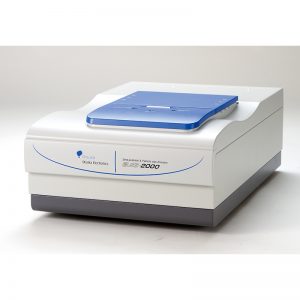
ELSZ-2000 Series
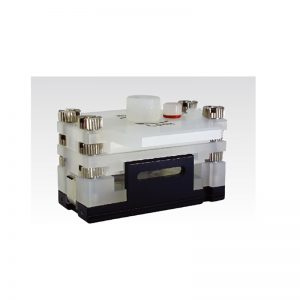
ELSZ-2000 Series Nanoparticle, Zeta Potential & Molecular Weight Analyzer
A Faster Route to Great Insight, Achieve More with Otsuka ELSZ-2000 Series Zeta Potential and Nanoparticle Size Analyzer.
The ELSZ-2000 series is a unique instrument that utilizes photon correlation spectroscopy and electrophoretic light scattering techniques to determine particle size, zeta potential, and molecular weight. The instrment is compact and easy to use with an extended analysis range, intuitive software, and multiple sample cells to fit the user’s application.
The ELSZ-2000 series also features improved sensitivity and reduced analysis time through the upgraded HD-APD (Avalanche Photodiode).
ESR5000
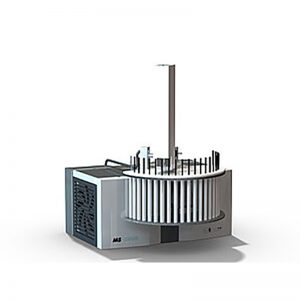
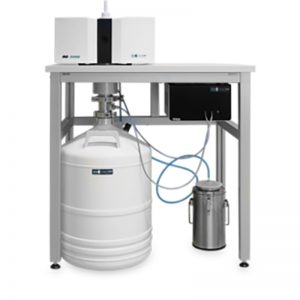
The new high-end BCA system from Bruker
The new minispec LF110 can accommodate very obese rodents that weigh more than 1 kg. While being able to analyse those objects, the LF110 has been designed to also measure small sample amounts, like new-born mice or organs. This is possible by combining proprietary solutions with an as high as possible magnetic field strength. While keeping the footprint and housing the same, the weight range of this new system has been expanded as compared to the well-established LF90II. Therefore the LF110 really offers the largest sample weight range of Bruker`s comprehensive LF-series.
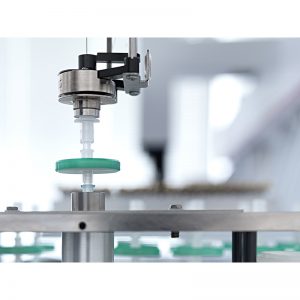
GERSTEL Filtration
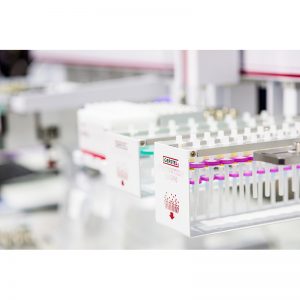
Automated Filtration Using The MPS
Suspended particles and matrix material in a sample can significantly influence analysis results and system suitability. Removing particulate matter from a sample or extract prior to analysis is therefore critical for many GC/MS- and LC/MS analysis methods, particularly when large series of samples must be analyzed automatically.
GERSTEL Filtration
Automated Filtration Using The MPS
Suspended particles and matrix material in a sample can significantly influence analysis results and system suitability. Removing particulate matter from a sample or extract prior to analysis is therefore critical for many GC/MS- and LC/MS analysis methods, particularly when large series of samples must be analyzed automatically.
GERSTEL GRAPHPACK technology
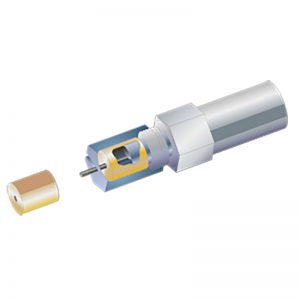
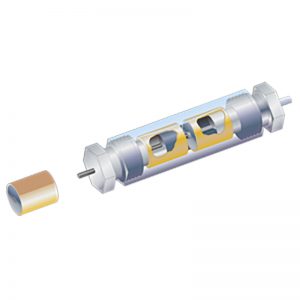
GERSTEL GRAPHPACK technology was designed to provide leak-free, low dead volume, inert connections quickly and reliably for any type of connection used for gas chromatography. The same technology is used for inlet and detector connections as well as for column connections (with or without make-up gas) and multiple column splitters. GRAPHPACK fittings exist for almost all GC inlets and detectors, so a laboratory with multiple brands of GCs can use the same ferrules, adapters, and nut for all connections needs.

GERSTEL Headspace ChemSensor System
Unlike traditional electronic noses that are based on solid-state sensors, the GERSTEL ChemSensor System use proven quadrupole mass-spectrometer technology.
Benefits:
- The GERSTEL Headspace ChemSensor System is unaffected by moisture in the sample, ambient humidity, or ambient temperature fluctuations. It is also immune to sensor poisoning.
- Quadrupole technology enables customized screening and classification for multiple applications on the same system.
- The GERSTEL Headspace ChemSensor System can ignore ions associated with dominant sample components – such as alcohol in wines or acetic acid in salad dressings – and model only the critical factors that differentiate samples.
- Ions in a suspect sample that are not present in a good sample can be monitored in subsequent analyses using GC/MS. This can reduce troubleshooting time substantially and puts you steps ahead of e-noses that do not have this correlation capability.
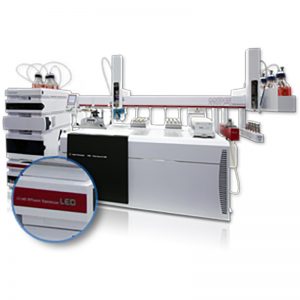
GERSTEL LC/MS Effluent Optimizer (LEO)
Optimized LC separation and MS detection – the best of both worlds
In LC/MS, we work hard to reach the goal of achieving the perfect LC separation and combining it with the most efficient ionization and lowest achievable MS detection limits for our analytes.
The LC separation may require a certain pH and polarity range of the eluent, while analyte ionization in the LC/MS ionization source requires yet another pH, a different buffer – or even derivatization of the analyte for best possible efficiency or optimized spectral information. How to optimize both? The logical answer is to take the effluent from the perfect LC separation and optimize it for MS analysis.
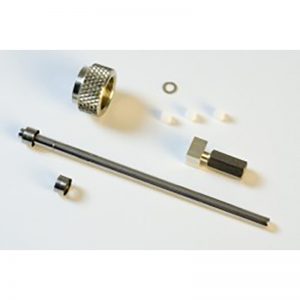
GERSTEL On-Column Injection Kit
The GERSTEL On-Column Injection Kit quickly, and easily converts a CIS into an on-column inlet.
Main Features and Advantages
- Allows CIS inlet to be used for on-column injection no need to buy a dedicated on-column inlet.
- Automated sample injection available with GERSTEL MPS
- Electronic pressure control (EPC)
- Accurate heating and cooling through CIS
Gerstel PYRO
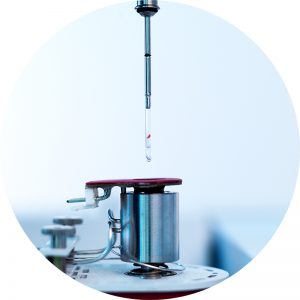
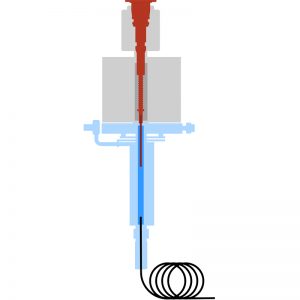
Automated Pyrolysis GERSTEL PYRO
The GERSTEL PYRO enables highly flexible and efficient automated pyrolysis of solids and liquids at up to 1000C combined with determination in a GC/MS system of the thermal decomposition products. If required, thermal desorption and pyrolysis of the same sample can be performed in sequence, enabling the analyst to obtain cleanest possible pyrogram and the maximum amount of information in the shortest possible time. Some key areas in which the PYRO is used are production quality control; product development; and forensic science.
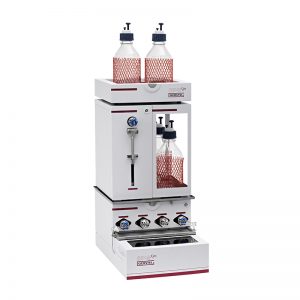
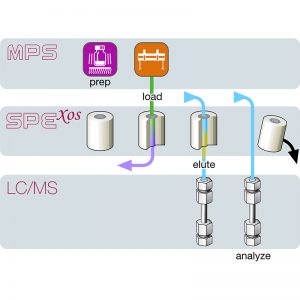
GERSTEL SPEXOS
Online SPE system with replaceable SPE cartridges: The best of all worlds
GERSTEL SPEXOS expands your sample preparation portfolio with online SPE. Compared with sandard SPE, SPEXOS relies on much smaller cartridges with only 50 mg of sorbent, enabling a significant miniaturization of the entire process: Much smaller sample amounts are needed to reach required detection limits and much less solvent is needed for analyte elution reducing cost, simplifying logistics, and increasing method sensitivity.
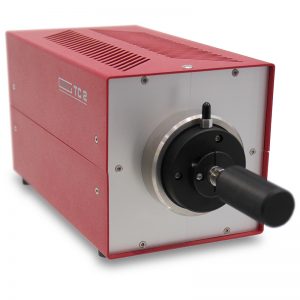
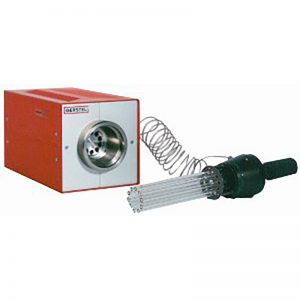
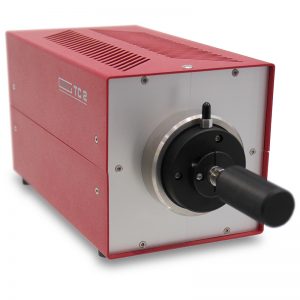
GERSTEL Tube Conditioner (TC 2)
The Tube Conditioner (TC 2) enables simultaneous conditioning of up to 10 TDS tubes or up to 50 GERSTEL Twisters.
Clean and well-conditioned TD tubes and Twister are essential in order to fully take advantage of the high sensitivity of the thermal desorption technique and to achieve the best possible quality of analysis. The TC 2 operates independetly of the GC/MS system, eliminating the risk of system contamination during conditioning and keeping the GC/MS available for analytical tasks ensuring maximum productivity.
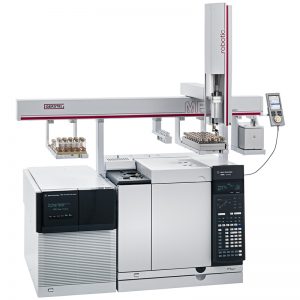
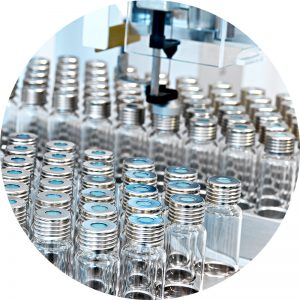
Headspace
The GERSTEP MPS configured as Headspace Autosampler provides the analyst with a high productive tool for performing GC Headspace analysis. The MPS is perfectly suited for routine analysis for R&D applications that demand a higher degree flexibility.
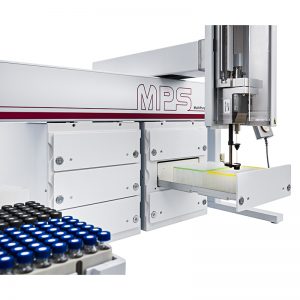
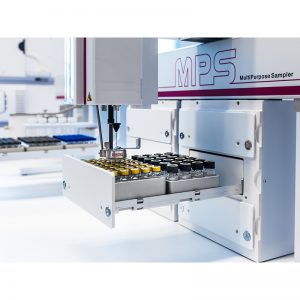
Heated or Cooled Sample Trays
GERSTEL provides a wide range of cooled trays and stacks for the MPS Robotic series either as part of an analysis system or as an off-line WorkStation. Trays and stacks available with Peltier cooling or cryostatic cooling covering a temperature range from 4 to 70C.
Heated or Cooled Sample Trays
GERSTEL provides a wide range of cooled trays and stacks for the MPS Robotic series either as part of an analysis system or as an off-line WorkStation. Trays and stacks available with Peltier cooling or cryostatic cooling covering a temperature range from 4 to 70C.
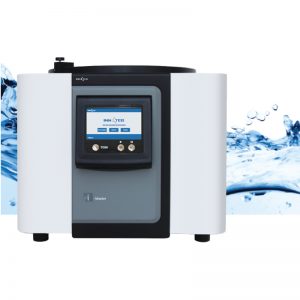
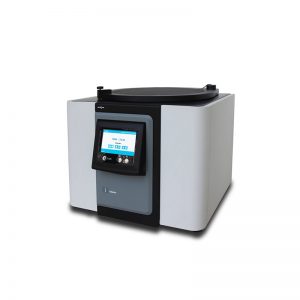
i-Master Microwave Digestion System
Microwave digestion technology is to use microwave penetration and activation to heat reagents and samples in sealed vessels, which can increase pressure and temperature, thus greatly improve reaction rate.
INNOTEG i-Master can monitor temperature and pressure of all samples in vessels by the advanced non-contact technology to enhance safety of digestion process. It also ensure uniformity which cannot be guaranteed when using single point temperature and pressure measuring in conventional microwave digestion systems.
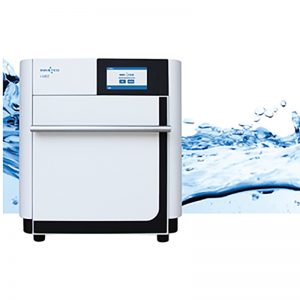
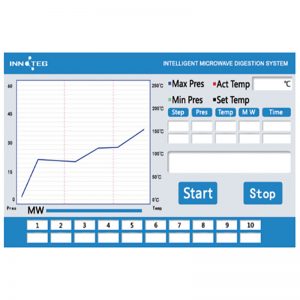
i-Mez Microwave Digestion System
Microwave digestion technology is to use microwave penetration and activation to heat reagents and samples in sealed vessels, which can increase pressure and temperature, thus greatly improve reaction rate.
INNOTEG i-Mez can monitor temperature and pressure of all samples in vessels by the advanced non-contact technology to enhance safety of digestion process. It also ensure uniformity which cannot be guaranteed when using single point temperature and pressure measuring in conventional microwave digestion systems.
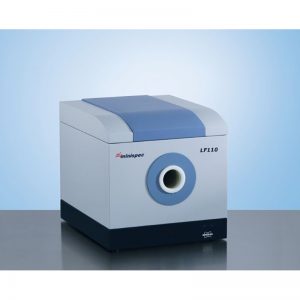
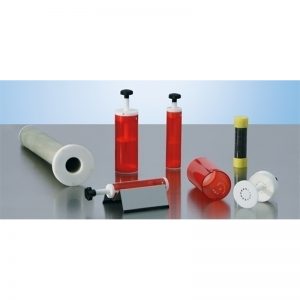
LF110 BCA Analyzer
The new high-end BCA system from Bruker
The new minispec LF110 can accommodate very obese rodents that weigh more than 1 kg. While being able to analyse those objects, the LF110 has been designed to also measure small sample amounts, like new-born mice or organs. This is possible by combining proprietary solutions with an as high as possible magnetic field strength. While keeping the footprint and housing the same, the weight range of this new system has been expanded as compared to the well-established LF90II. Therefore the LF110 really offers the largest sample weight range of Bruker`s comprehensive LF-series.
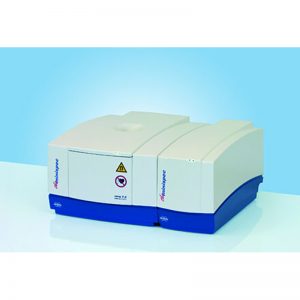
LF50 BCA Analyzer
Body Compositon Analyzer of Mice
Bruker’s minispec LF50 Body Composition Analyzer provides an unparalleled precise measurement of Lean Tissue, Fat, and Fluid in live mice on a bench-top platform.
The LF50 combines optimal footprint with high sensitivity and flexibility. Further, thanks to Bruker’s unique Plug-and-Play probe concept, cleaning and exchange of the NMR probe is a matter of seconds. The whole body analysis requires a optimal design of the MR system such that small and large animals (or even biopsies) are equally well analyzed.
All these requirements are perfectly matched by the minispec LF50. Key to its success are the unrivaled measurement frequency of 7.5 MHz and the encapsulated zero maintenance electronics.
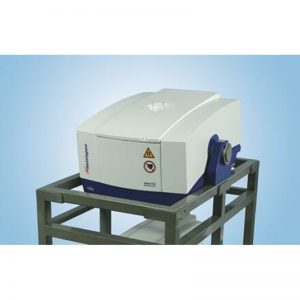
LF50H BCA Analyzer
Increased Flexibility for Your BCA Assessment
The minispec LF50H version provides a convenient horizontal access extending the weight range assessable for Body Composition analysis with no compromise in signal-to-noise.
This is because of the comparable high magnetic field (7.5 MHz) used to generate the signal required for reproducible and sensitive operation.
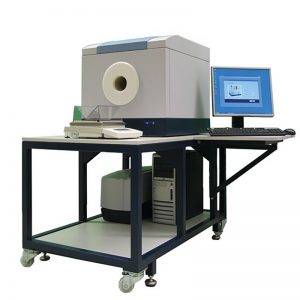
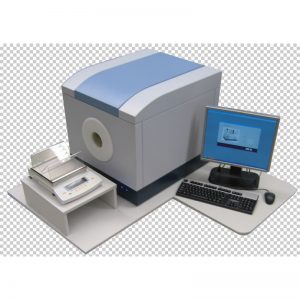
LF90II BCA Analyzer
LF90II: The Ultimate Choice for Body Composition Analyzer on Rodents
Bruker’s all-new 2nd generation minispec LF90II Body Composition Analyzer provides the new benchmark for precise measurement of Lean Tissue, Fat, and Fluid from lightweight newborns to obese elder rats.
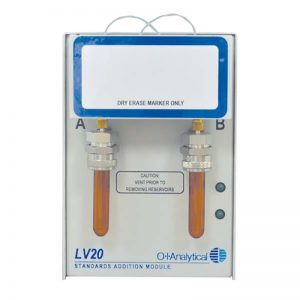
LV-20 Standards Addition Module
The LV-20 Standards Addition Module pairs with our Model 4551A Autosampler to improve accuracy and precision of GC-GC-MS analyses, while minimizing standard usage and decreasing laboratory costs of expensive standards.
Designed as an option for the 4551A Autosampler, the LV-20 Standards Addition Module injects programmed volumes (1, 2, 5, 10, or 20 µL) of internal standard, surrogate, or matrix spike standards to improve the accuracy and precision of GC-GC-MS analyses. The LV-20 is equipped with high-speed injection valves which inject user-programmed volumes of standard with no excess overfill volume that fixed-loop based systems require to operate. All LV-20 functions are programmed using the intuitive touchscreen and Windows® CE software on the Eclipse 4760 Purge-and-Trap Sample Concentrator.
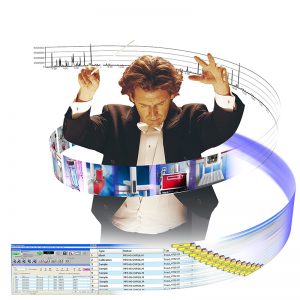
MAESTRO Software
Introduction Perfectly Synchronized
The MAESTRO software operates all GERSTEL modules and system solutions in a simple and efficient manner. MAESTRO can be operated as stand-alone software or fully integrated with the Agilent Technologies ChemStation. Just one method and one sequence table runs the complete system from Sample Prep and Sample Introduction to GC/MS or LC/MS analysis. Set-up is performed in a very simple manner: By mouse-click.
MAESTRO Software
Introduction Perfectly Synchronized
The MAESTRO software operates all GERSTEL modules and system solutions in a simple and efficient manner. MAESTRO can be operated as stand-alone software or fully integrated with the Agilent Technologies ChemStation. Just one method and one sequence table runs the complete system from Sample Prep and Sample Introduction to GC/MS or LC/MS analysis. Set-up is performed in a very simple manner: By mouse-click.

Membrane Assisted Solvent Extraction (MASE)
Water analysis can be complicated if the sample contains a large proportion of suspended substances and foreign particles.
Membrane extraction promises simplification in this case: a novel procedure for sample preparation developed by the Environmental Research Centre Leipzig-Halle, which has been automated by GERSTEL.
Membrane Assisted Solvent Extraction (MASE)
Water analysis can be complicated if the sample contains a large proportion of suspended substances and foreign particles.
Membrane extraction promises simplification in this case: a novel procedure for sample preparation developed by the Environmental Research Centre Leipzig-Halle, which has been automated by GERSTEL.
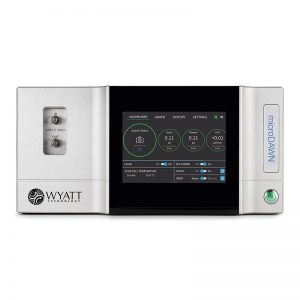
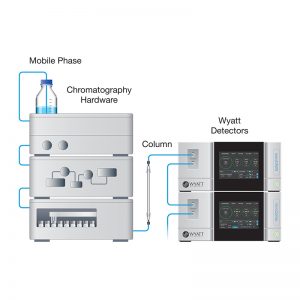
microDAWN®
The microDAWN MALS detector performs absolute characterization of macromolecules eluting from UHPLC, determining molar mass and size independently of retention time and molecular reference standards.
This instrument offers superb sensitivity over a wide range of molar mass, size and concentrations. In most respects the microDAWN is similar to the well-established miniDAWN , a workhorse MALS instrument used in hundreds of labs around the world for characterizing proteins and other molecules smaller than 50 nm in radius.
microESR
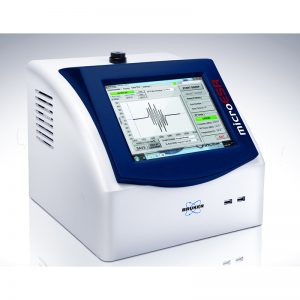
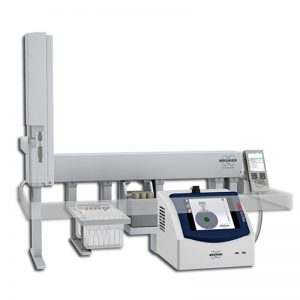
microESR: The Portable Research-Grade Instrument
The microESR is a small, portable research grade instrument. The spectrometer has a mass of only 10 kg and a 30.5 x 30.5 x 30.5 cm3 foot print. It can easily fit in a fume hood or glove box, or be transported to the field. It requires no special installation or regular maintenance.
microOptilab
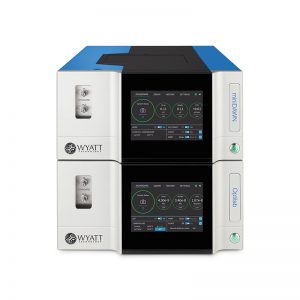
Universal Detection for UHPLC and SEC-MALS
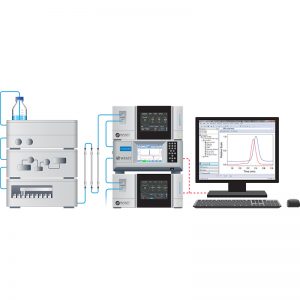
Refractive index detection is an important component of any SEC-MALS system, and necessary for analyzing conjugated proteins or polymers devoid of chromaphores. The microOptilab connects with the microDAWN MALS detector for a complete UHP-SEC-MALS setup that transfers the many benefits of SEC-MALS analysis to the realm of UHPLC.
microViscoStar
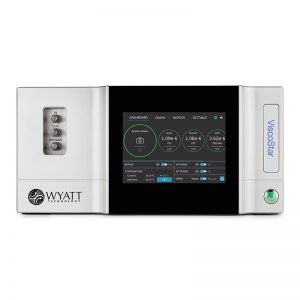
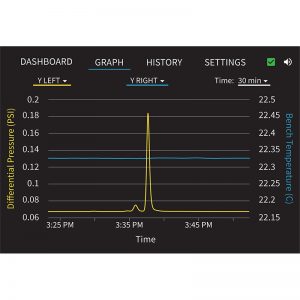
microViscoStar: Online differential viscometer for UHPLC.
The microViscoStar™ incorporates multiple novel technologies to provide the highest sensitivity, stability and solvent compatibility of any available viscometer for UHPLC. Its ease-of-use and serviceability make it the perfect companion for Wyatt’s microDAWN™ light scattering and microOptilab™ refractive index detectors for UHPLC.
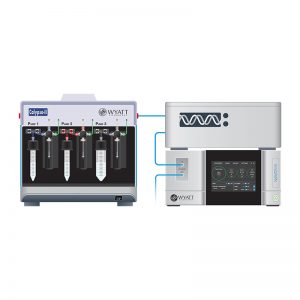
miniDAWN®
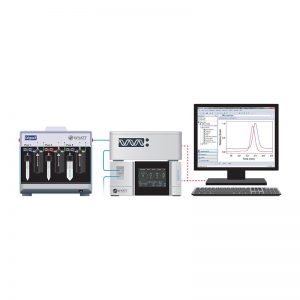
The Best in Basic Multi-Angle Light Scattering for Absolute Macromolecular Analysis.
The miniDAWN’s performance is exceeded only by the DAWN which covers a wider range of size and molecular weight, with even better sensitivity and additional optional modules.
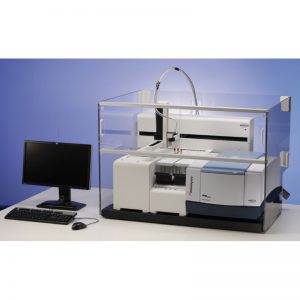
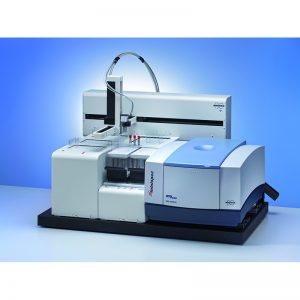
minispec Automation
Sample Automation for the minispec mq and mq-one Series
This new easy to use, cost-effective system brings sample automation to routine minispec applications, including complex Solid Fat Content (SFC) analysis.
Now, thanks to quick sample exchange times that maximize throughput and increased reliability in minispec measurements, productivity is significantly boosted.
The minispec Sample Automation system is available as a standalone accessory to existing minispec systems from the mq and mq-one Series, or as a packaged system with a new minispec spectrometer.
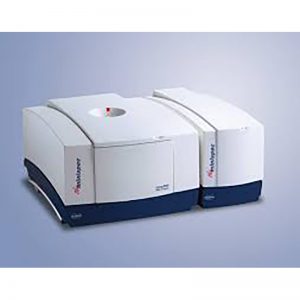
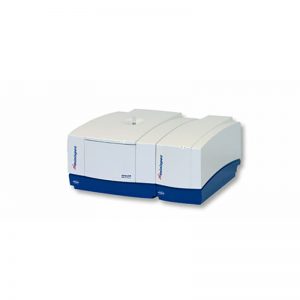
Minispec Mq Series
The magnet NMR minispec mq series offers the most comprehensive range of measurement frequencies known today, ranging from 7.5 MHz for samples with large diameters, via 10 MHz, 20 MHz and 40 MHz, to the unparalleled mq60 with 60 MHz operating frequency.
While the minispec mq-one series features the best possible performance-to-footprint ratio for common QC applications, the minispec mq series offers multi-application support and a wide range of upgrade features, like tool-free exchangeable probes, variable temperature NMR probes and pulsed field gradient systems.

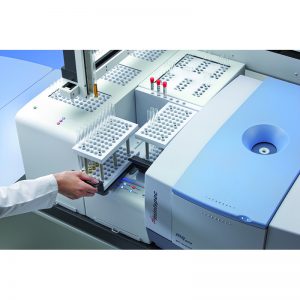
Minispec Mq-One Series
The One Solution for Your Dedicated QC Application
The mq-one is the newest addition to the minispec mq series TD-NMR systems. The award winning mq series covers a wide range of applications and offers expansion capabilities for both routine NMR quality control and R&D. The mq-one takes the minispec mq series product line further into the realm of routine industrial applications.
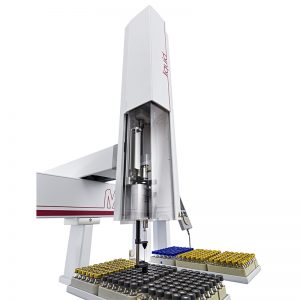
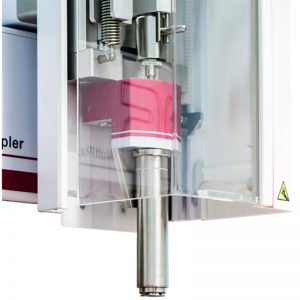
MPS Liquid
The MPS Liquid is a highly efficient liquid autosampler for modern high-throughput GC/MS and LC/MS analysis work.
Focusing on the core taks of an autosampler, the MPS Liquid offers large sample capacity, modern intuitive software control, as well as the capablity to perform key sample preparation steps such as the addition of internal standards or a derivatization reagent. The MPS helps you ensure that your laboratory offers fast, responsive and productive analyses. Last but not least, the MPS Liquid helps to ensure that your results are reliable and accurate.
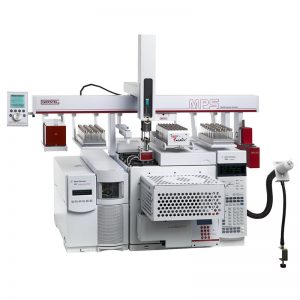
Multi Column Switching (MCS)
The most advanced column switching system available, providing unsurpassed flexibility for gas chromatographic analysis.
The multidimensional heartcutting chromatography system from GERSTEL finally does away with the complexity and operational difficulties of the past. The system is based on advanced electronic pneumatic control EPC and GERSTEL GRAPHPACK technology allowing unprecedented ease of use and reproducibility.
Multi Position Evaporation Station (mVAP)
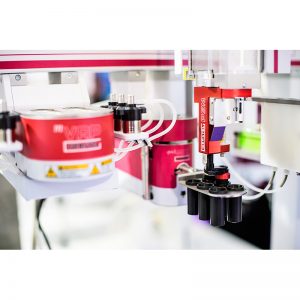
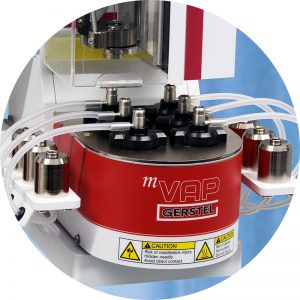
Fully automated solvent evaporation integrated with your sample preparation.
The GERSTEL Multi-Position Evaporation Station (mVAP) performs solvent evaporation enabling automated sample concentration for lower detection limits as well as solvent exchange for improved chromatography and LC/MS ionization. mVAP is an option for the GERSTEL MultiPurpose Sampler (MPS): Up to 196 samples in standard autosampler vials can be concentrated in batches of up to six.
Multi Position Evaporation Station (mVAP)
Fully automated solvent evaporation integrated with your sample preparation.
The GERSTEL Multi-Position Evaporation Station (mVAP) performs solvent evaporation enabling automated sample concentration for lower detection limits as well as solvent exchange for improved chromatography and LC/MS ionization. mVAP is an option for the GERSTEL MultiPurpose Sampler (MPS): Up to 196 samples in standard autosampler vials can be concentrated in batches of up to six.
OBSERVER
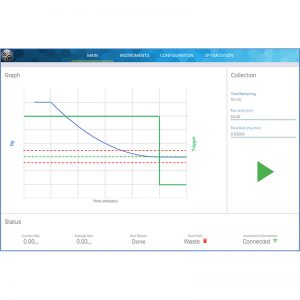
Real-time process monitoring and control software for ultraDAWN
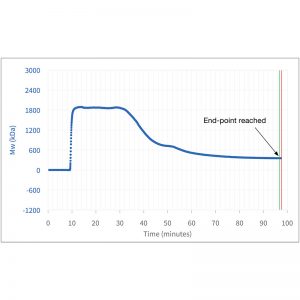
OBSERVER acquires real-time multi-angle light scattering data from ultraDAWN, then calculates and reports weight-average molar mass and z-average rms radius, thirty times each minute.
Where most PAT instruments monitor process conditions such as temperature, pressure and feedstock, OBSERVER’s RT-MALS analysis provides actual product quality attributes. When the RT-MALS results deviate from specifications or reach the process end point, OBSERVER can send a trigger to control the process, directly or indirectly via OPC.
Olfactory Data Interpreter (ODI)
GERSTEL Enterprise Edition powered by OpenChrom
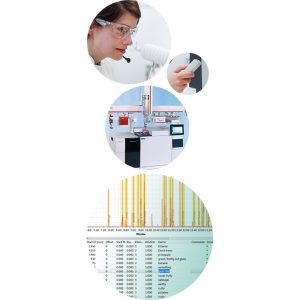
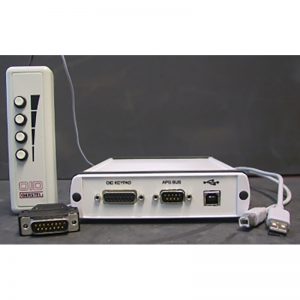
The GERSTEL Olfactory Data Interpreter (ODI) enables fast and reliable evaluation of olfactory information including identification of unknown odor-active compounds. Chromatography data is typically acquired using a mass spectrometer / mass selective detector (MSD), a Flame Ionization Detector (FID) or a Sulfur Chemiluminescence Dectector (SCD) or a combination thereof. The chromatogram is loaded into the ODI software, which automatically recognizes the chromatogram data format before importing the data. In parallel, an olfactogram is imported with information provided by the user as he or she assessed odors eluting from the GC column in parallel with the detection process during the GC run. The olfactogram combines spoken comments from the sensory analyst and the registered intensities along a time axis. The „Olfactory Intensity Device“ (OID) conveniently enables the user to indicate the intensity of the olfactory impression as it transpires. Text comments are added using voice recognition software to translate spoken descriptors. The combined information is presented in the ODI-Software in a clear and concise overview including a chromatogram, an olfactogram and a table.
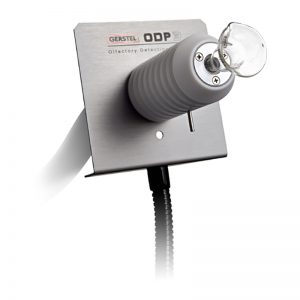
Olfactory Detection Port ODP
Parallel olfactory detection of GC fractions
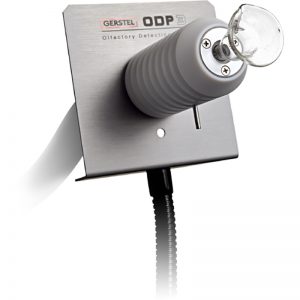
The ODP sniff port allows the sensing of compounds by the human nose as they elute from the gas chromatograph. The effluent is split as it leaves the column so that it arrives simultaneously at the nose and at the detector.
This way additional information is gained on compounds that are responsible for specific odors.
Optilab
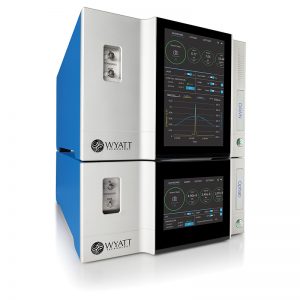
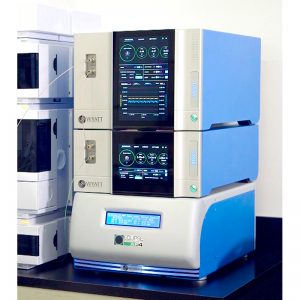
Universal Detection for Chromatography and FFF Separations
Using a combination of cutting-edge semiconductor photodiode technology and proprietary computer algorithms, the Optilab achieves an unprecedented combination of sensitivity and range. These features mean that it addresses both standard chromatographic applications and some challenges unique to light scattering measurements such as high concentrations, determination of sample refractive increments (dn/dc) and solvent refractive index.

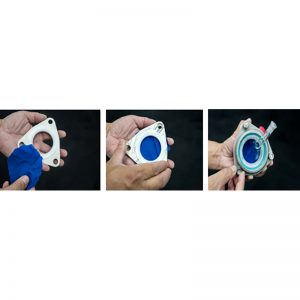
Permeation of Chemicals Solutions (Gases & Liquids)
The LabAlliance Instruments Solution for measuring chemical resistance in gloves provide standard test method for measuring permeation of liquids and gases through gloves or other protective clothing materials in accordance of ASTM F739 or EN 374-3 2003 and EN16523-1(2015).
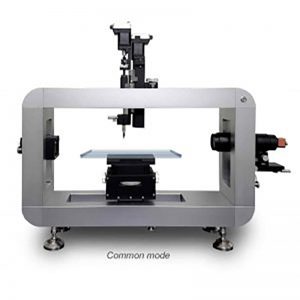
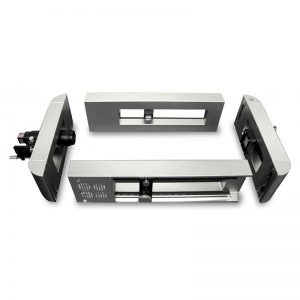
Phoemix-MT (M, A, T)
Worlds First: The New Stages That Define Performance!!
A New Level of designing performance and Flexibility
It is the world’s first model that can be used by turning the equipment, the individual modules can be separated, and the length of each main frame can be selected to change the model to suit almost all samples.
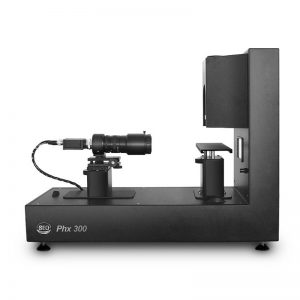
Phoenix-300
The Phoenix series is designed to offer the flexibility required for QA, R&D and engineering development.
The Phoenix series has a specially designed optical system for reducing the light scattering and is mounted with a camera easily adjusted in all directions. The fluids are dispensed from a manually controlled syringe system or semi auto/automatically by embedded a stepping motor system. The position of the sample stage can be precisely adjusted along the X, Y or Z-axis for fine image analysis.
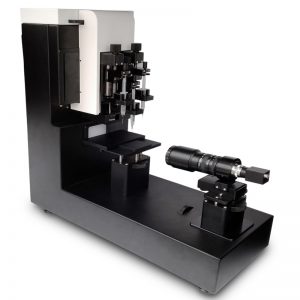
Phoenix-300 Multi
The Phoenix series is designed to offer the flexibility required for QA, R&D, and engineering development.
The Phoenix 300 Multi series is a special 3 syringes automatic contact angle system can facilitate simultaneous dispensing three different liquids. It has a specially designed optical system for reducing the light scattering and is mounted with a camera easily adjusted in all directions. The fluids are dispensed from a manually controlled syringe system or semi auto/automatically by embedded a stepping motor system. The position of the sample stage can be precisely adjusted along the X, Y or Z-axis for fine image analysis
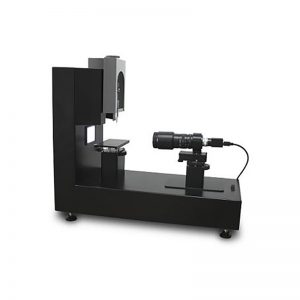
Phoenix-300 Touch
SEO Phoenix 300 Touch is the latest product in our contact angle analyzer. It features innovative features with automated, fully software control liquid drop volume. In order to produce accurate and reproducible contact angle results, the Phoenix 300 Touch featured the intelligent automated Z-head controls. This Touch feature will automatically move the Z-head to drop a single drop of liquid onto the sample; the user can have a peace of mind for the consistency of how droplet is introduced onto the sample surface.
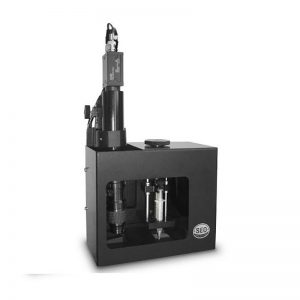
Phoenix-Alpha (A)
The Phoenix Alpha is lighter and has a smaller footprint than the Phoenix 300 series but has all functions needed for contact angle analysis.
The Phoenix Alpha was specifically upgraded based on many user’s inputs. It is easy, simple compact and user friendly designed. The system has a special designed optical system of reducing the light scattering and mounting an easy camera all-direction adjustment. The Phoenix Alpha is a valuable tool for on the spot research, QC and universities and training.
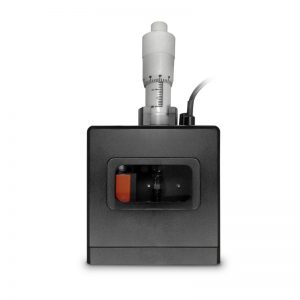
Phoenix-I (Portable)
The Phoenix series is designed to offer the flexibility required for QA. R&D and engineering process development. The Phoenix-I is a quite simple and virtually any measure size without sample cutting sample cutting preparation. Light-weight means simple control device and simple handling. Phoenix-I adopted USB type camera. Easily connect to laptop and desktop computer with Surfaceware software.
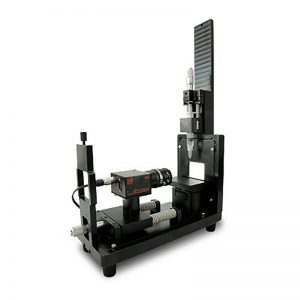
Phoenix-Mini
The Phoenix Mini is specially developed with small footprint ideally for QA/QC work. Phoenix Mini portability combined with ease of measurement is ideal for routine measurement for surface treatment and cleanliness studies. The Phoenix Mini has a pre-aligned fixed optical system that eliminates the need to make focus adjustment. The liquid is dispensed using a precise manual system for small drop volume and with interchangeable tip size. The backlight system employed by the Phoenix Mini is designed to improve image quality which helps contact angle analysis.
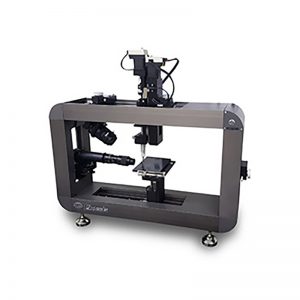
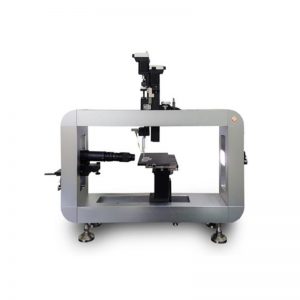
Phoenix-Pico/Nano
The SEO phoenix PICO / Nano-liter is a drop shape analysis system specially designed and optimized for extremely small samples, including BGA (Ball Grid Array), hair, fibre, textile and biological applications.
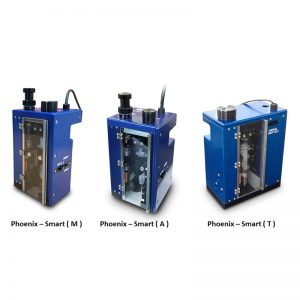
Phoenix-Smart (M, A)
The Phoenix Smart series is designed to offer the flexibility required for QA. R&D and engineering process development. The Phoenix-Smart (M.A.T) has been specially designed to be an upgradable and portable device that is easy and convenient to use. The Phoenix-Smart(M.A.T) can virtually any sample size without sample cutting preparation. Light-weight means simple control device and simple handling. Phoenix-Smart(M.A.T) adopted USB type camera. Easily connect to laptop and desktop computer with Surfaceware software.
Preparative Fraction Collector (PFC)
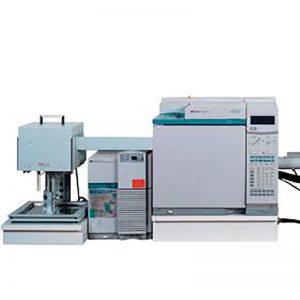
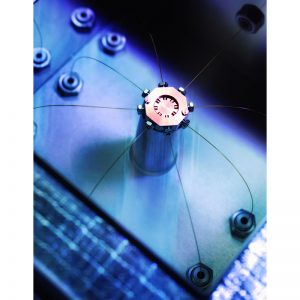
The GERSTEL PFC automatically collects compounds after gas chromatographic separation. The PFC is equipped with six sample traps and one waste trap. Traps are available in 1 µl or 100 µl volumes.
For optimum compound recovery, the PFC can be equipped with optional LN2 trap cooling or cryostatic trap cooling systems.
Pyrolysis Module (PM 1)
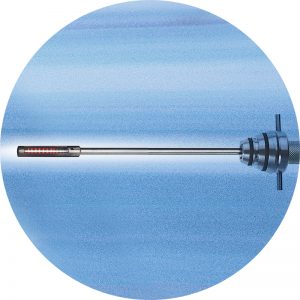
The GERSTEL Pyrolysis Module (PM 1) is an accessory for the Thermal Desorption System (TDS). The PM 1 enables heating of samples beyond the normal thermal desorption temperature limit of 400C to a final temperature between 500 and 1000C. Applications include the determination of thermal decomposition prodcuts from – and thereby the structure of – samples like paint, polymers, adhesives, plastics and packaging materials.
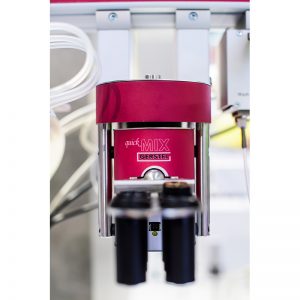
quickMix
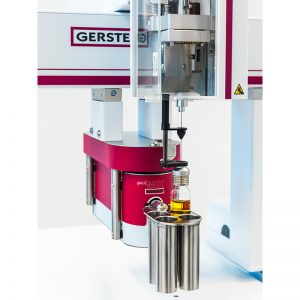
quickMix for the GERSTEL MPS Robotic series enables extremely fast and efficient mixing nad extraction of samples as part of the automated sample preparation process.
The mixing power is comparable to that of vortex mixing. Samples are agitated in a special tray on the module, depending on the vial size holding up to 6 samples at a time. The tray can be exchanged to operate with 2 mL, 4 mL, 10 mL and 20 mL vials. If needed, quickMix can be configured with a heated tray.
quickMix
quickMix for the GERSTEL MPS Robotic series enables extremely fast and efficient mixing nad extraction of samples as part of the automated sample preparation process.
The mixing power is comparable to that of vortex mixing. Samples are agitated in a special tray on the module, depending on the vial size holding up to 6 samples at a time. The tray can be exchanged to operate with 2 mL, 4 mL, 10 mL and 20 mL vials. If needed, quickMix can be configured with a heated tray.
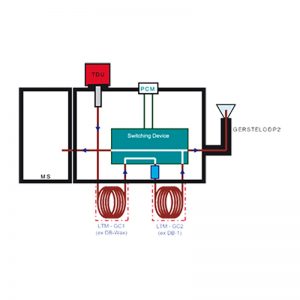
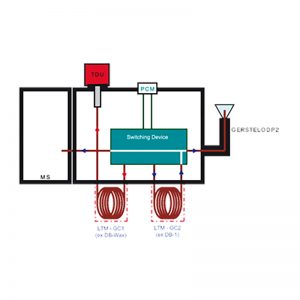
Selectable 1D/2D-GC/MS
An extra GC dimension at your finger tips
Gas chromatography (GC) experts rely on sharp peaks and baseline resolution to provide accurate answers. To perform chromatographic analysis of real-world samples, analysts often must deal with either complex sample types such as essential oils and petroleum fractions, or complex matrices like biological fluids, foods, sludge, or polymers. Once the sample has been prepared for analysis, separation of all the individual compounds present by means of a single chromatographic separation can be challenging due to the compounds having different ranges of polarity, boiling point, solubility, MW, and concentration. It is therefore necessary to use innovative yet robust techniques that go beyond using a single chromatographic dimension to achieve compound separation.

Solid Phase Micro Extraction (SPME)
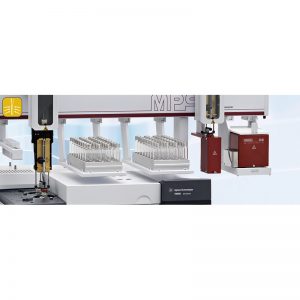
Automated SPME using the GERSTEL MPS.
Solid Phase Micro Extraction (SPME) is widely used technoque for extraction and concentration of VOCs and SVOCs combined with GC/MS. SPME is especially useful in the food, flavor and beverage industries and for environmental monitoring.
Syringe Modules
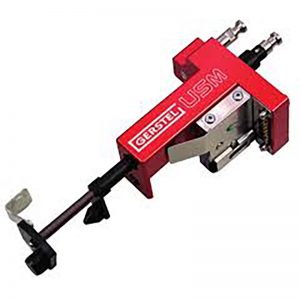
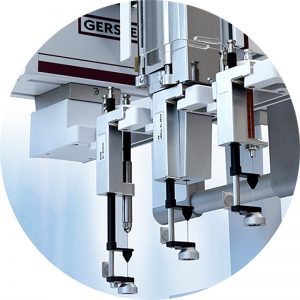
The MPS Robotic is a highly efficient GC/MS and LC/MS autosampler with extended robotic functionality. The MPS robotic provides reliable and efficient processing of complex tasks. Syringes are mounted in individual syringe modules, which be exchanged automatically within a running sequence when using the MPS RoboticPro for maximum flexibility.
Syringe Modules
The MPS Robotic is a highly efficient GC/MS and LC/MS autosampler with extended robotic functionality. The MPS robotic provides reliable and efficient processing of complex tasks. Syringes are mounted in individual syringe modules, which be exchanged automatically within a running sequence when using the MPS RoboticPro for maximum flexibility.
TDS-A Autosampler for TDS
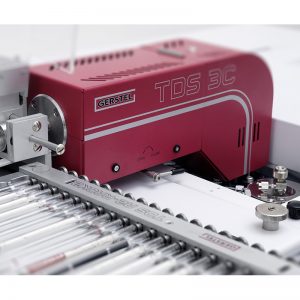
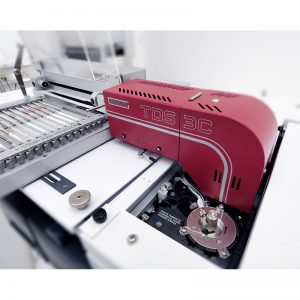
Adding the TDS A Autosampler enables your Thermal Desorption System (TDS) to perform completely automated processing of up to 20 samples using one or more analysis methods.
The TDS-A performs:
- Desorption of glass or stainless steel tubes
- Automated desorption of 178 mm and 3.5″ thermal desorption tubes
- Leak tight storage in exchangeable magazines
- Efficient MAESTRO Software control – stand-alone or fully integrated with the Agilent Technologies ChemStation
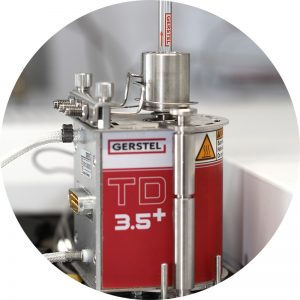
Thermal Desorber 3.5+ (TD 3.5+)
Offering more for Material Emissions-, Flavor-, and Air Analysis.
The Thermal Desorber TD 3.5+ is a flexible automated solution for thermal desorption and thermal extraction. The TD 3.5+ fits on top of any modern GC without the need for additional bench space and it is perfectly suited for the analysis material and for thermal desorption of sorbent tubes used to sample whole air. The TD 3.5+ handles standard 3.5″ tubes, as prescribed in several standard methods, in addition to GERSTEL plus tubes, which hold up to 20% more sorbent for enhanced break-through volume, improved recovery as well as improved limits of detection.
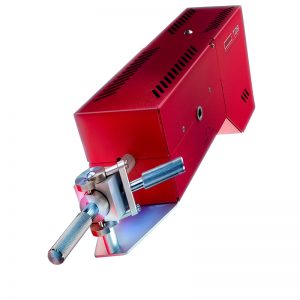
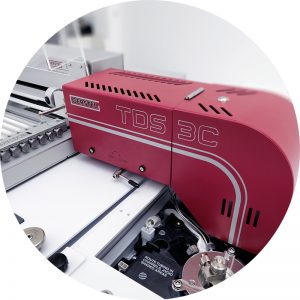
Thermal Desorption System (TDS)
The GERSTEL Thermal Desorption System (TDS) is a flexible multi-functional system for highly sensitive determination of volatile and semi-volatile organic compounds (VOCs and SVOCs) that have been trapped on adsorbent tubes or on GERSTEL Twisters.
The TDS is also frequently used for direct thermal extraction and determination of VOCs and SVOCs from solids without sample preparation. Application examples are natural products, flavor and fragance, emssions from materials that are used indoors in buildings or in automobiles, semiconductors, polymers and packaging.
Thermal Desorption Unit (TDU 2)
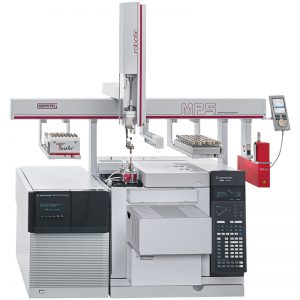
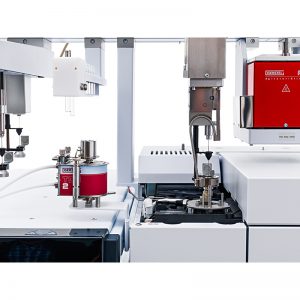
The worlds most flexible Thermal Desoprtion Instrument
The Thermal Desorption Unit (TDU 2) is a flexible automated solution for thermal desorption and thermal extraction. The TDU 2 fits on top of any modern GC without the need for additional bench space and it is perfectly suited for the analysis of gaseous, liquid and solid samples.
Thermal Extractor (TE)
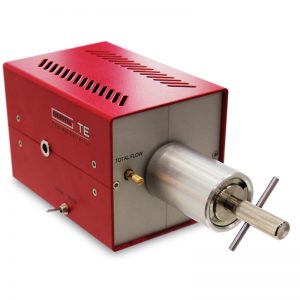
The TE is a preparation system for bulk samples to be analyzed using the Thermal Desorption System TDS.
A solid or gel sample is placed into the TE tube and is heated to the desired temperature. Compounds of interest are transferred into the TDS desorbent tube with a carrier gas flow. The compounds are the determined using the Thermal Desorption System (TDS).
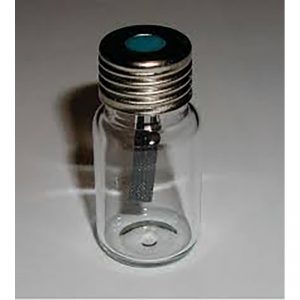
Thin Film SPME (TF-SPME)
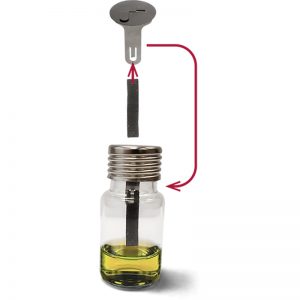
Solid Phase Micro Extraction (SPME) is a widely used technique for extraction and concentration of VOCs and SVOCs combined with GC/MS. SPME is especially useful in the food, flavor and beverage industries and for environmental monitoring. Recent developments focus on increased phase volumes to reach sensitivities more comparable to the GERSTEL-Twister. The Thin Film SPME (TF-SPME) technology combines higher sorbent phase volumes and a large surface area based on a flat rectangular shape.
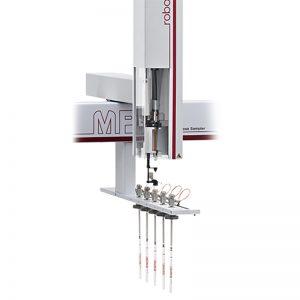
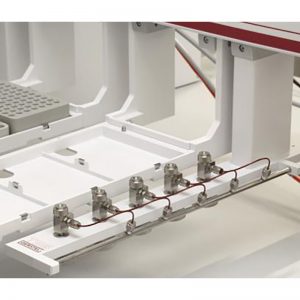
Tube Spiking System (TSS)
Automated spiking of standard tubes for thermal desorption (TDU/TDS)
Why cumbersome and complicated when it can be done in such as simple way: In combination with the GERSTEL MPS Robotic series, the GERSTEL Tube Spiking System (TSS) enables atuomated generation of standard tubes for Thermal Desorption analysis. Adsorbent tubes are spiked with a user defined volume of liquid standard and solvent purged with a defined flow of carrier gas as required for method calibration and validation according to international standard methods. Up to five tubes can be mounted and spiked in every TSS unit and multiple TSS unis can be mounted on the MPS for higher throughput.
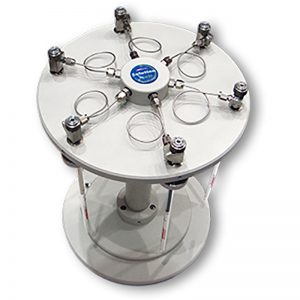
Tube Standard Preparation System (TSPS)
The GERSTEL TSPS is designed for the preparation of solvent-free thermal desorption standards for use in air and industrial hygiene analysis.
TSPS provides an excellent alternative to commonly used ‘one-at-a-time’ classic methods. The TSPS is simple in design, speeds up routine laboratory procedures and can be easily used by staff with any level of technical training.
The TSPS can be equipped with up to six GERSTEL thermal desorption tubes that are easily attached using a specially designed connection system.
Twicester®
For Multi-Stir Bar Sorptive Extraction (mSBSE).
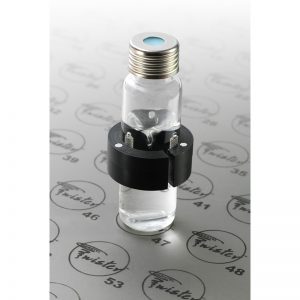
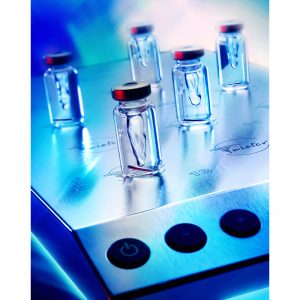
The GERSTEL Twicester® offers a simple possibility to position one or more Twisters magnetically on the inner wall of a sample vial for more efficient sample extraction. The Twicester approach enables the extraction of a sample using more Twisters simultaneously, for example using Twisters with different types of phases for a more complete combined extraction and improved analyte recovery. The method, referred to as Multi-Stir Bar Sorptive Extraction (mSBSE), was developed in a cooperation between GERSTEL K.K, Tokyo, Japan , and Research Institute for Chromatography (RIC) of Professor Pat Sandra in Kortijk, Belgium. Twicester is well suited for the simple and efficient determination of a wide range of flavor compounds in aqueous matrices and it has been used successfully for the analysis of beverages.
Twister Back Extraction (TBE)
Twister® Back Extraction as MPS Option
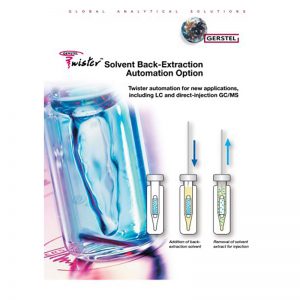
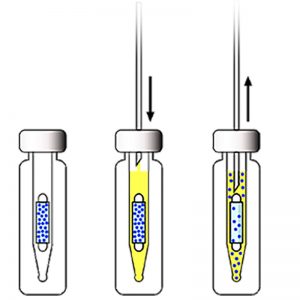
The combination of Twister technology (SBSE; Stir Bar Sorptive Extraction) with elution and subsequent chromatographic detection can be powerful and reproducible process for the determination of organic analytes from aqueous samples; e.g. PAH, psticides, herbicides or phenols.
Twister Back Extraction (TBE)
Twister® Back Extraction as MPS Option
The combination of Twister technology (SBSE; Stir Bar Sorptive Extraction) with elution and subsequent chromatographic detection can be powerful and reproducible process for the determination of organic analytes from aqueous samples; e.g. PAH, psticides, herbicides or phenols.
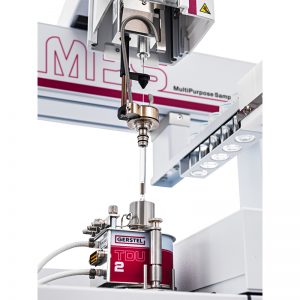
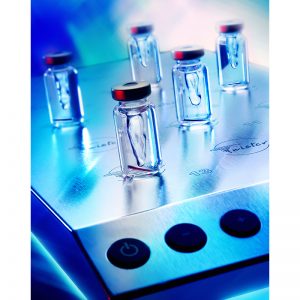
Twister® / Stir Bar Sorptive Extraction (SBSE)
The GERSTEL Twister® enables efficient extraction of organic compounds from aqueous matrices based on Stir Bar Sorptive Extraction (SBSE). SBSE is a solvent-free extraction technique, which is significantly faster than most conventional extraction techniques. SBSE is up to 1000x more sensitive than SPME since the stir bar has significantly more sorbent volume and since it can extract, and concentrate analytes from, a much larger sample volume due to the efficient stirring.
ultraDAWN®
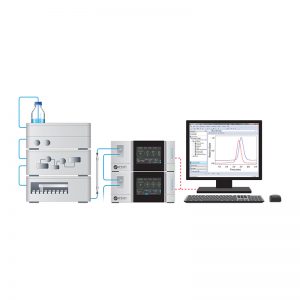
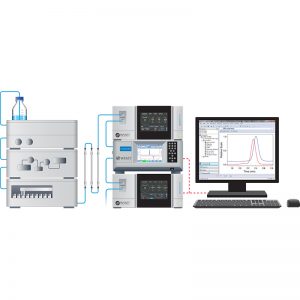
A breakthrough in process analytical technology for production of nanoparticles, biopharmaceuticals and polymers.
ultraDAWN measures multi-angle light scattering and reports the results – weight-average molecular weight Mw and rms radius Rg – in real time. With RT-MALS, critical quality attributes (CQAs) can be monitored directly, for rapid feedback on product and process quality.
ViscoStar
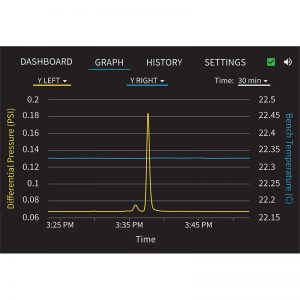
ViscoStar: The next generation online differential viscometer.
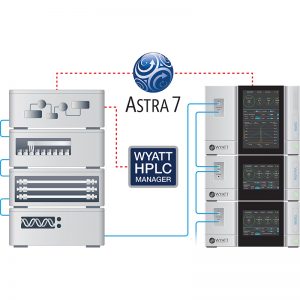
The ViscoStar® incorporates multiple novel technologies to provide the highest sensitivity, stability and solvent compatibility of any available viscometer for GPC. Its ease-of-use and serviceability make it the perfect companion for Wyatt’s DAWN® light scattering and Optilab® refractive index detectors.
VISION
Field-Flow Fractionation for the most versatile separations of complex fluids.
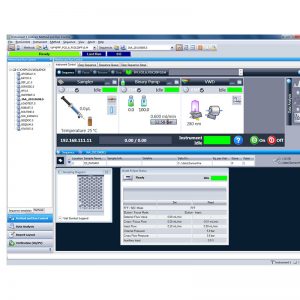
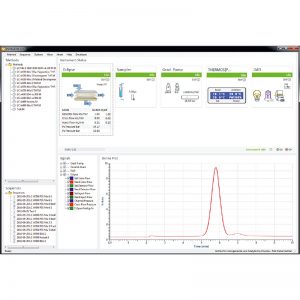
Flatten the learning curve and increase your productivity. Wyatt offers a suite of unmatched software tools for designing, performing and analyzing FFF-MALS experiments.
For maximum convenience, use the VISION CSH® software hub to launch Wyatt’s native FFF method development, instrument control and data analysis packages: SCOUT DPS®, VOYAGER CDS® and ASTRA®.
Eclipse FFF systems can also be controlled from plug-ins residing within industry-standard HPLC software. If you are familiar with OpenLab®, ChemStation®, Chromeleon® or LabSolutions®, easily set up enhanced.
Weighing
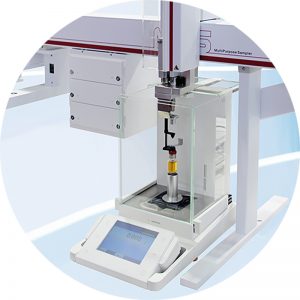
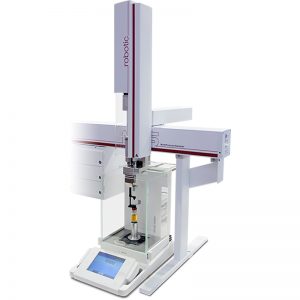
MPS integrated weight option
Standard autosampler vials are placed in the balanec by the MPS and liquid samples, stnadards, reagents or diluents added, weighed and registered separately. For each sample, mulitple liquid additions can be defined by mouse-click in the MAESTRO Software.
Weighing
MPS integrated weight option
Standard autosampler vials are placed in the balanec by the MPS and liquid samples, stnadards, reagents or diluents added, weighed and registered separately. For each sample, mulitple liquid additions can be defined by mouse-click in the MAESTRO Software.
Workstation / GC & LC Mounting
Flexible and reliable sample preparation robot providing efficient automation of your laboratory processes.
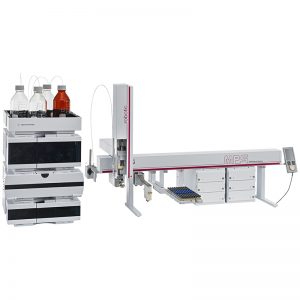
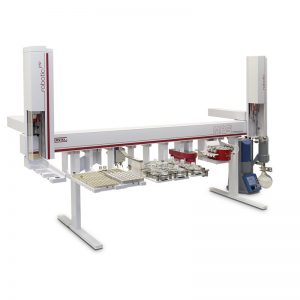
The GERSTEL MuliPurpose Sampler (MPS) provides a wide range of capabilities in one robotic system. The MPS WorkStation is a bench-top version of the MPS, independent of the GC/MS or LC/MS analysis system. The WorkStation can be configured as Single Head or Dual Head version enabling it to perform a range of functions to meet almost every requirements in terms of performance and throughput. The MPS WorkStation provides complete flexiblity. In combination with the GERSTEL MAESTRO software, the MPS WorkStation offers simple set-up and advanced automation capabilities.
Workstation/GC & LC Mounting
Flexible and reliable sample preparation robot providing efficient automation of your laboratory processes.
The GERSTEL MuliPurpose Sampler (MPS) provides a wide range of capabilities in one robotic system. The MPS WorkStation is a bench-top version of the MPS, independent of the GC/MS or LC/MS analysis system. The WorkStation can be configured as Single Head or Dual Head version enabling it to perform a range of functions to meet almost every requirements in terms of performance and throughput. The MPS WorkStation provides complete flexiblity. In combination with the GERSTEL MAESTRO software, the MPS WorkStation offers simple set-up and advanced automation capabilities.